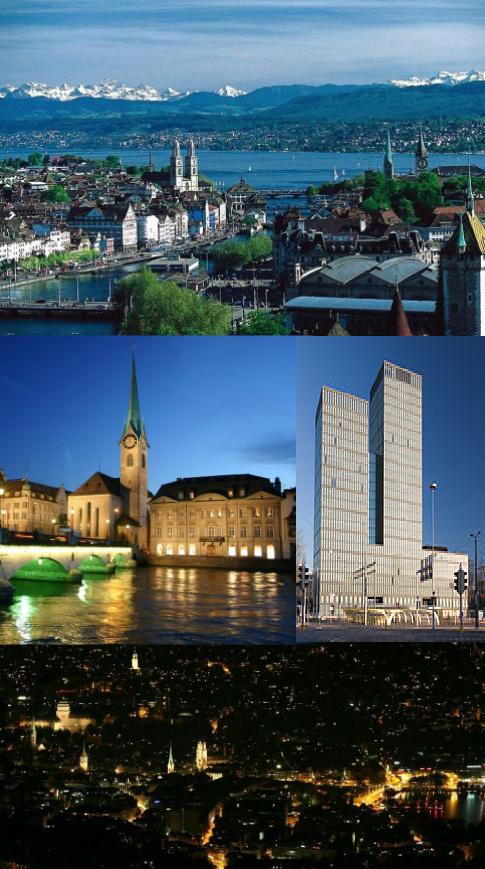
Zurich, Switzerland
Zürich or Zurich is the largest city in Switzerland and the capital of the canton of Zürich. It is located in north-central Switzerland at the northwestern tip of Lake Zürich. The municipality has approximately 400,028 nhabitants, the urban agglomeration 1.315 million and the Zürich metropolitan area 1.83 million. Zürich is a hub for railways, roads, and air traffic. Both Zürich Airport and railway station are the largest and busiest in the country.
Permanently settled for over 2,000 years, Zürich was founded by the Romans, who, in 15 BC, called it Turicum. However, early settlements have been found dating back more than 6,400 years ago. During the Middle Ages, Zürich gained the independent and privileged status of imperial immediacy and, in 1519, became a primary centre of the Protestant Reformation in Europe under the leadership of Huldrych Zwingli.
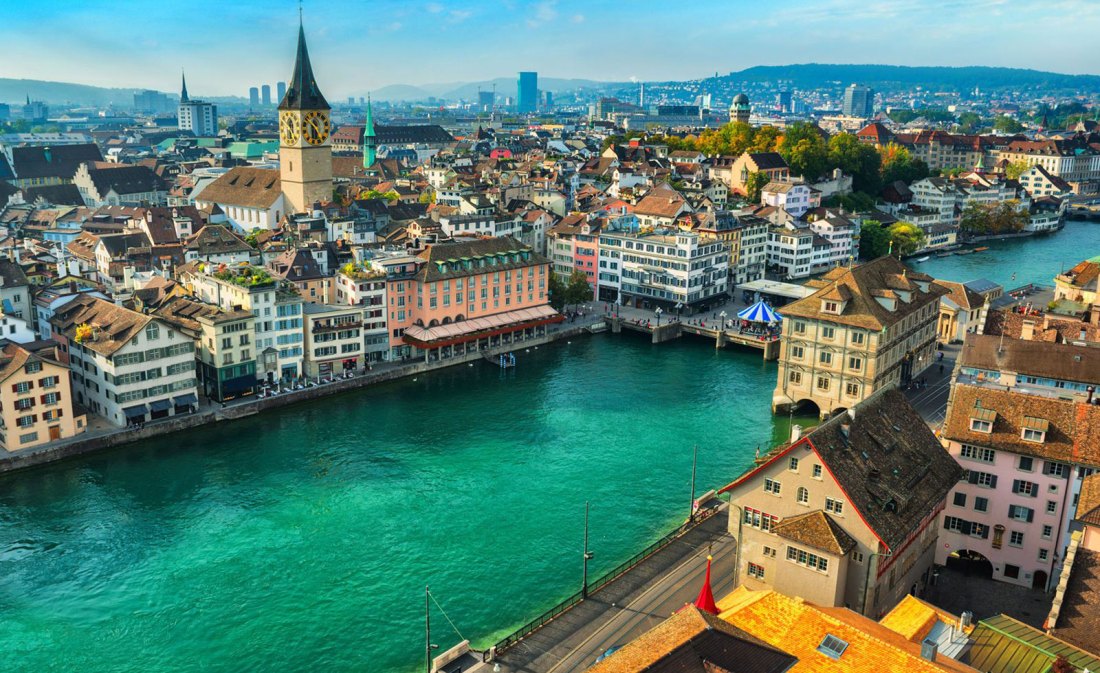
The official language of Zürich is German, but the main spoken language is the local variant of the Alemannic Swiss German dialect, Zürich German.
Many museums and art galleries can be found in the city, including the Swiss National Museum and the Kunsthaus. Schauspielhaus Zürich is one of the most important theatres in the German-speaking world.
Zürich is a leading global city and among the world’s largest financial centres despite having a relatively small population. The city is home to a large number of financial institutions and banking companies. Most of Switzerland’s research and development centres are concentrated in Zürich and the low tax rates attract overseas companies to set up their headquarters there.
Monocle’s 2012 “Quality of Life Survey” ranked Zürich first on a list of the top 25 cities in the world “to make a base within”. According to several surveys from 2006 to 2008, Zürich was named the city with the best quality of life in the world as well as the wealthiest city in Europe in terms of GDP per capita. The Economist Intelligence Unit’s Global Liveability Ranking sees Zürich rank among the top ten most liveable cities in the world.
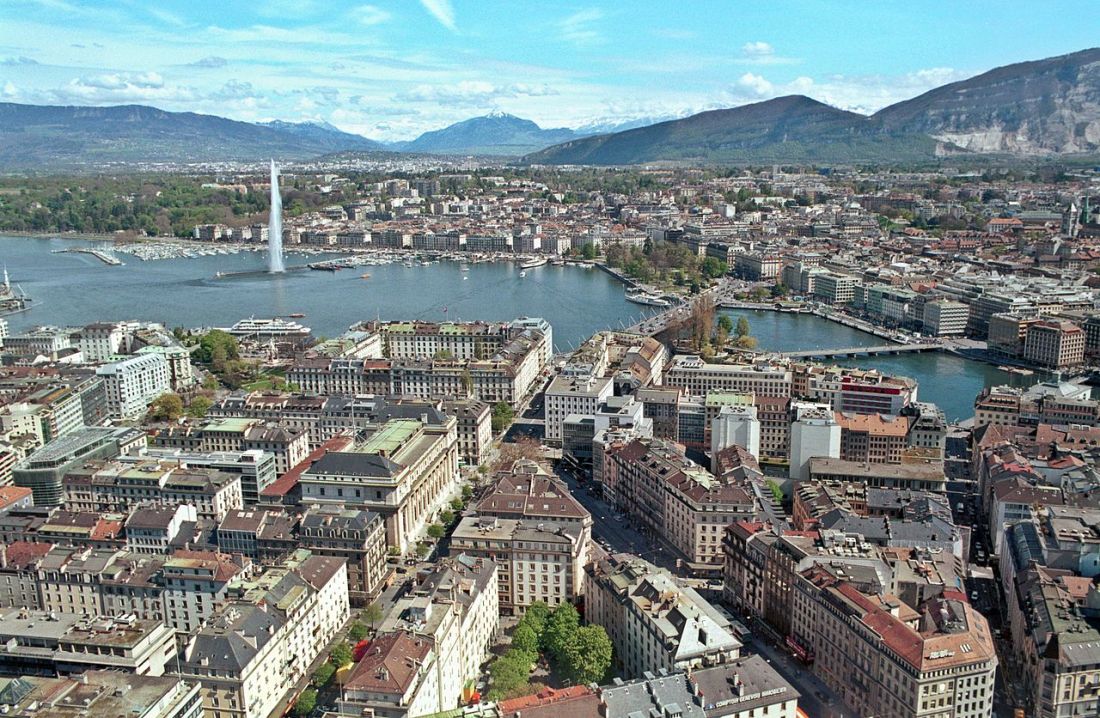
Geneve, Switzerland
Geneva is the second-most populous city in Switzerland (after Zürich) and the most populous city of the Romandy, the French-speaking part of Switzerland. Situated where the Rhône exits Lake Geneva, it is the capital of the Republic and Canton of Geneva.
The municipality (ville de Genève) has a population (as of December 2017) of 200,548, and the canton (essentially the city and its inner-ring suburbs) has 495,249 residents. In 2014, the compact agglomération du Grand Genève had 946,000 inhabitants in 212 communities in both Switzerland and France. Within Swiss territory, the commuter area named “Métropole lémanique” contains a population of 1.26 million. This area is essentially spread east from Geneva towards the Riviera area (Vevey, Montreux) and north-east towards Yverdon-les-Bains, in the neighbouring canton of Vaud.
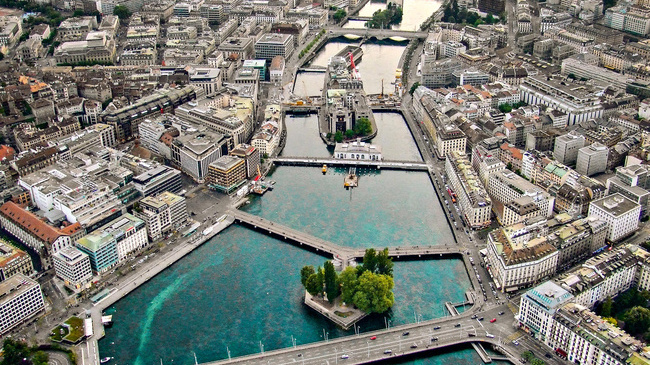
Geneva is a global city, a financial centre, and a worldwide centre for diplomacy due to the presence of numerous international organizations, including the headquarters of many agencies of the United Nations and the Red Cross. Geneva hosts the highest number of international organizations in the world. It is also where the Geneva Conventions were signed, which chiefly concern the treatment of wartime non-combatants and prisoners of war.
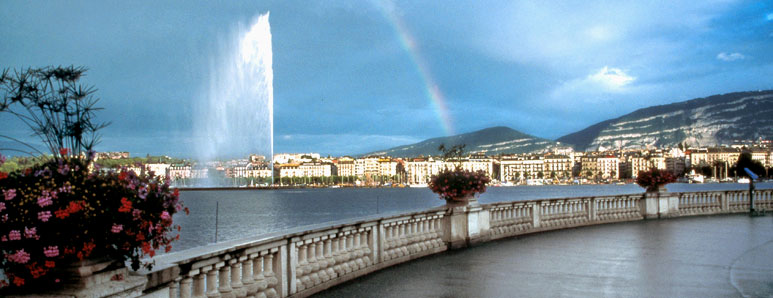
In 2017, Geneva was ranked as the world’s fifteenth most important financial centre for competitiveness by the Global Financial Centres Index, fifth in Europe behind London, Zürich, Frankfurt and Luxembourg. A 2009 survey by Mercer found that Geneva has the third-highest quality of life of any city in the world (behind Vienna and Zürich for expatriates; it is narrowly outranked by Zürich). The city has been referred to as the world’s most compact metropolis and the “Peace Capital”. In 2017, Geneva was ranked as the seventh most expensive city in the world. Geneva was ranked third in purchasing power in a global cities ranking by UBS in 2018.
Bern, Switzerland
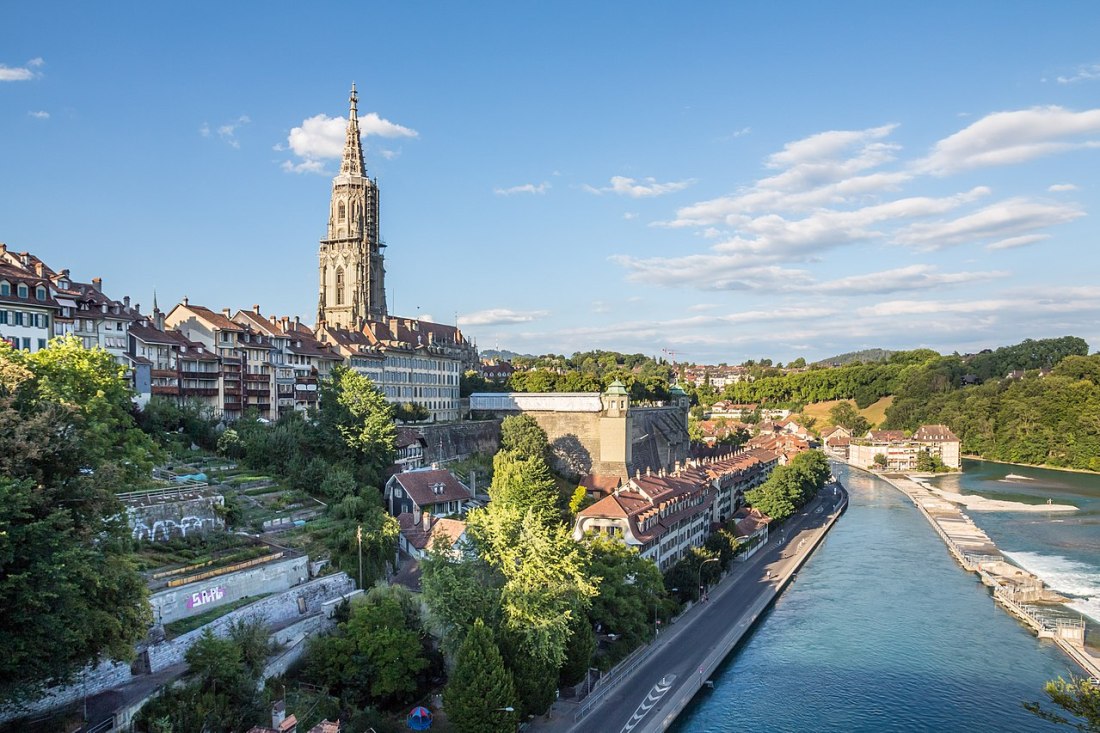
Bern or Berne is the de facto capital of Switzerland, referred to by the Swiss as their (e.g. in German) Bundesstadt, or “federal city”.With a population of 142,656 (March 2018), Bern is the fifth-most populous city in Switzerland. The Bern agglomeration, which includes 36 municipalities, had a population of 406,900 in 2014. The metropolitan area had a population of 660,000 in 2000. Bern is also the capital of the canton of Bern, the second-most populous of Switzerland’s cantons.
The official language in Bern is (the Swiss variety of Standard) German, but the most-spoken language is an Alemannic Swiss German dialect, Bernese German.
In 1983, the historic old town (in German: Altstadt) in the centre of Bern became a UNESCO World Heritage Site.
 Dream Travel